Table of Contents
Loading image...
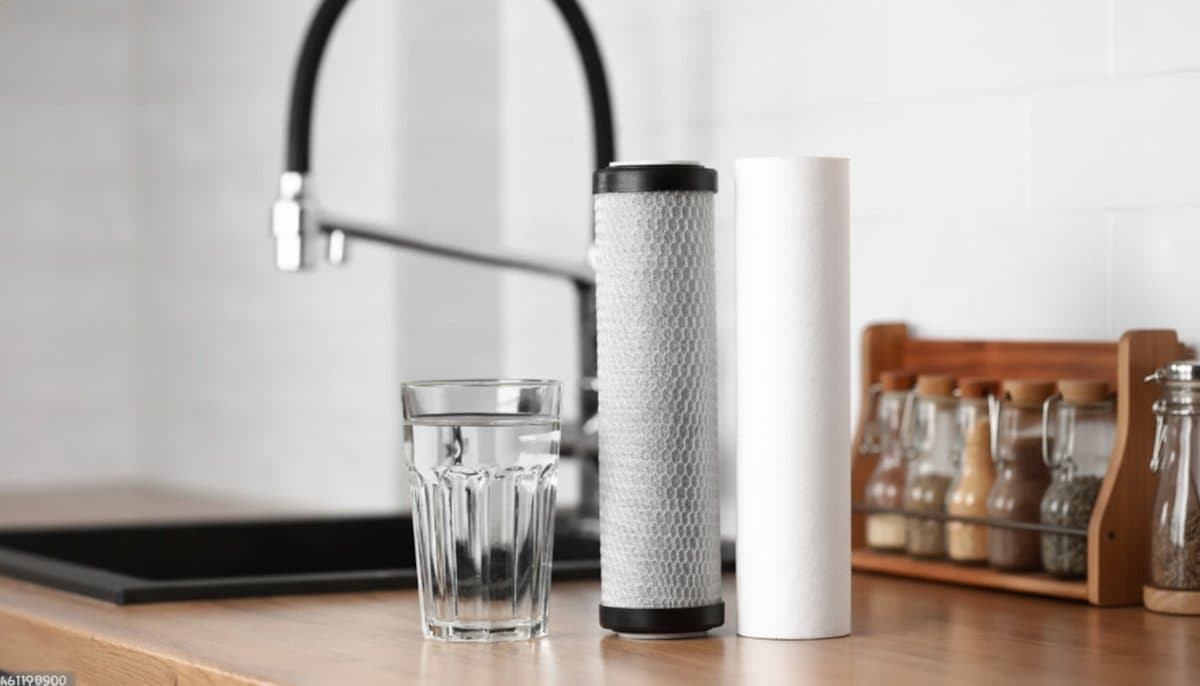
Complete guide to choosing water filtration systems that work for your water source and budget
When I started looking into water filtration, I assumed the hard part would be choosing between brands. Turns out, the real challenge is understanding what you're actually filtering for. Chlorine? Sure, that's straightforward. Fluoride? That needs specific technology. PFAS? Different again. And the price range—$50 jugs to $3,600 whole-house systems—doesn't make it any simpler.
Here's the thing: it's genuinely hard to know where to start. The options are endless, and it's easy to feel paralyzed by choice or default to buying bottled water because it feels safer. Which it's not necessarily safer, and you're spending a fortune and drinking out of plastic.
I'm going to walk you through how to actually make this decision. We'll cover what's in different water sources, which technologies work for what, and real options across different budgets. I'm on tank water and use Zazen for drinking water, but there are several quality systems across different situations—you'll figure out what works for you by the end of this.
Table of Contents
- Why This Actually Matters
- Start With Your Water Source
- Key Contaminants Worth Understanding
- How Different Technologies Work
- Practical Systems by Need
- What Works for Different Budgets
- The Maintenance Reality
- Common Mistakes to Avoid
- Where to Start
Why This Actually Matters
Water touches everything in your home—drinking, cooking, bathing, washing food. That constant exposure adds up. Australian Drinking Water Guidelines ensure mains water is safe, but "safe" and "what I want to drink or bathe in" aren't always the same thing. Chlorine, fluoride, metals from old pipes, PFAS in some areas—these are all within "acceptable limits" but that doesn't mean you can't choose to reduce your exposure where it's practical.
Whether you're on town mains, tank water, or bore supply, there are filtration options that genuinely work. The key is matching the right technology to your actual water source and priorities, not just buying whatever has the best marketing.
Start With Your Water Source
Before you look at a single filter, you need to know what you're dealing with. Your water source tells you what contaminants are likely present, which saves you from testing and guesswork.
Town/Mains Water
If you're connected to town supply, your water is treated and monitored. What's added during treatment includes chlorine or chloramine (above 0.5 mg/L per guidelines) for disinfection, and fluoride (0.6-1.1 mg/L in most areas).
The fluoride addition is concerning. It's a neurotoxin, and research continues to show associations between fluoride exposure and neurological impacts, particularly during prenatal development and childhood. The cumulative exposure factor matters—fluoride isn't just in water, it's in toothpaste, processed foods, tea. I personally avoid fluoride in both drinking water and toothpaste, and I wouldn't give fluoridated water to children.
Beyond what's added intentionally, your water picks up whatever's in the pipes on the way to your tap. Older systems can leach lead and copper. Some areas have PFAS contamination from historical firefighting foam use. Disinfection creates by-products during treatment.
What you need: Carbon filtration handles chlorine, taste, and some contaminants effectively. For fluoride specifically, you need reverse osmosis or specialty media designed for fluoride removal—standard carbon won't touch it. For PFAS and heavy metals, carbon block or RO systems work well.
Rainwater Tanks
Tank water collects whatever's on your roof and in your gutters. Leaves, dust, bird droppings, bacteria, parasites—it's all going in there. E. coli, giardia, cryptosporidium are real possibilities. NSW Health and EnHealth guidelines recommend first-flush diversion (letting the initial rain wash debris away before it enters your tank), screening, and some form of disinfection.
What you need: Sediment filtration to catch particles, carbon to handle any organic compounds or tastes, and protection against microbes. The microbial risk in tank water is real—personally I don't drink untreated tank water.
Bore/Groundwater
Bore water is wildly variable depending on your aquifer. High mineral content is common, causing scale buildup in kettles and appliances. Iron and manganese create those lovely rust stains. Nitrates from agricultural runoff pose particular risk for infants. Arsenic shows up in some geological areas.
Here's what's particularly concerning: pesticides and agricultural chemicals from runoff can contaminate groundwater. Depending on surrounding land use—farms, industrial areas, waste sites—your bore water may contain herbicides, pesticides, and industrial chemicals that have seeped into the aquifer. This contamination can persist for years. Bacteria is also possible if your bore isn't properly sealed.
Worth noting: if you're on bore water, testing is advisable before drinking it, even with filtration. Many people with bore water use it for household purposes (toilets, garden, washing) but collect rainwater for drinking instead.
What you need for bore water: Sediment filtration, carbon, and often reverse osmosis for comprehensive treatment. The mineral content alone will destroy standard carbon filters quickly without proper pre-treatment. For pesticides and chemical contamination, RO is your most effective option.
Key Contaminants Worth Understanding
Let me break down what you're actually dealing with and why it matters.
Chlorine and chloramine sit in your water as residual disinfectants. They do their job killing bacteria, but when you shower, you're absorbing chlorine through your skin and inhaling it as vapor. For people with sensitive skin, eczema, or respiratory issues, this is worth addressing. Standard carbon filtration removes chlorine effectively and inexpensively.
Fluoride is added to most Australian town supplies at 0.6-1.1 mg/L. It's a neurotoxin. Research has shown associations between fluoride exposure and neurological impacts, particularly in developing brains. The cumulative exposure concern is real—it's not just in water, it's in toothpaste, processed foods, tea. It adds up.
I personally avoid fluoride in drinking water and toothpaste. If you choose to do the same, here's the critical point: standard activated carbon has minimal effect on fluoride removal. You need reverse osmosis (85-95% removal) or specialty media like calcium carbonate, activated alumina, or bone char (90-99% removal depending on contact time and flow rate). This is probably the most common mistake people make—buying an expensive carbon filter thinking it removes fluoride when it barely touches it.
Heavy metals—particularly lead and arsenic—enter from pipes or geological sources. The Australian Drinking Water Guidelines set health-based limits, but lead affects neurological development in children and arsenic is a known carcinogen. If you have older pipes or specific geological concerns, reverse osmosis or ion exchange systems remove these effectively.
PFAS (per- and polyfluoroalkyl substances) are persistent compounds that don't break down. The 2025 guideline updates tightened limits—PFOS now capped at 10 ng/L—as research continues. If you're near firefighting training facilities or certain industrial areas, it's worth checking your local water quality report. Search your council name plus "water quality report" to see if PFAS appears. Activated carbon handles long-chain PFAS well (88-99% reduction with carbon block filters). Short-chain PFAS requires reverse osmosis.
Microbes—bacteria and parasites—present genuine risk in tank and bore water. Town mains water carries low risk because of chlorination, though issues can occur with system failures or pipe breaks.
How Different Technologies Work
Activated carbon works through adsorption—contaminants stick to the carbon's porous surface. It's excellent for chlorine, organic compounds, taste, odor, and long-chain PFAS. Carbon block filters perform better than granular for PFAS because water moves through more slowly, giving more contact time.
Here's what carbon doesn't do well: fluoride removal is minimal. Don't buy a carbon filter expecting it to remove fluoride—you need different technology for that. Replace carbon filters on schedule (every 6-12 months typically). Saturated carbon stops working and can become a bacterial breeding ground.
Reverse osmosis (RO) forces water through a semi-permeable membrane that blocks contaminants at molecular level. It removes fluoride (85-95%), heavy metals (over 90%), PFAS (over 90%), nitrates, and most dissolved solids.
The downsides are real: RO removes beneficial minerals alongside contaminants, and it wastes water—typically 11-15 litres of waste per 4 litres filtered. This is why remineralization matters. Choose RO systems with built-in alkaline/remineralization stages, or add mineral drops. Don't drink demineralized water long-term—your body needs those minerals.
Specialty fluoride media—calcium carbonate (used in some gravity systems), activated alumina, bone char—work through ion exchange or adsorption specifically targeting fluoride. These achieve 90-99% removal depending on contact time and flow rate. Slower flow improves effectiveness, which is why gravity systems can outperform faster tap-connected options for fluoride removal. These media need replacement every 6-12 months as they saturate.
UV treatment uses ultraviolet light to damage microbial DNA, preventing reproduction. It kills bacteria, viruses, and parasites effectively (99.9%+) without adding chemicals. UV requires pre-filtration to remove particles that could shield organisms from the light. UV bulbs lose intensity over time—you replace them annually even when they're still lighting up.
Ceramic filters provide physical barrier filtration down to 0.2-0.5 microns (depending on quality), blocking bacteria and parasites. You can clean ceramic domes multiple times before replacement. Ceramic works as excellent pre-filtration in gravity systems.
Practical Systems by Need
Now that you understand the technologies, here's how to choose based on your actual situation.
For Basic Taste and Chlorine Removal (Mains Water)
If fluoride isn't your concern and you just want your water to taste less like a swimming pool, a basic carbon filter is the simplest solution.
Brita jugs ($50-70, replace cartridges every 2 months, ~$180/year): Standard activated carbon. Reduces chlorine taste and some metals. Does not remove fluoride. Quick entry point if fluoride isn't a concern.
For Fluoride Removal (Mains Water)
This is where you need to pay attention to technology. Standard carbon won't cut it.
Gravity systems work well for fluoride removal. Waters Co AceBio+ ($180-220) uses patented calcium carbonate achieving up to 99% fluoride removal while remineralizing with trace minerals. Australian company, 40+ years in business. No electricity or plumbing—just fill and filter.
ALPS 12L ($479-590) has lab testing by Cairns Regional Council showing almost no detectable fluoride after filtration. 10-stage system with ceramic, zeolite, carbon, mineral stones in blue glass reservoir. Mineral stones with nano silver keep water fresh and alkaline.
Zazen 10-stage system ($595) is similar—gravity-fed with ceramic pre-filter (0.2 micron), multi-stage cartridge including carbon, zeolite, fluoride reduction layer (up to 90% removal), and mineral stones for remineralization. Claims to address chlorine (99.9%), PFAS (99.9%), heavy metals, bacteria. Glass bottom tank option available. Filter replacement every 6 months (~$250/year). This is what I use for my drinking water—works well for my situation.
Filteroo offers more affordable options: Blue 20L ($130 basic carbon model, $200 with Omnipure MAX fluoride cartridge achieving 90%+ removal). Australian made, BPA-free plastic. They also make stainless steel systems—Superoo/Steel Roo ($415-500)—for those wanting metal construction at lower price than Berkey.
Berkey Big 8.5L ($660) is the established gravity system with stainless construction. Two Black Berkey elements last ~22,600L combined. Optional PF-2 fluoride filters ($103 for 2-pack) attach to bottom. Multiple sizes available, proven performance over years.
Tap-connected benchtop: ULTRAPURE Twin with Fluoride ($320-390) connects via diverter valve—no permanent installation needed. Uses Aragon cartridges plus Omnipure fluoride cartridge achieving up to 97% fluoride removal. Good for renters who need portability. Australian made, highly reviewed.
Under-sink reverse osmosis: iSpring RCC7AK (~$350-450 via Amazon Australia) is 6-stage reverse osmosis with alkaline remineralization cartridge. NSF 58 certified. Removes fluoride (85-95%), PFAS, heavy metals comprehensively. 75 GPD membrane. DIY installation possible if you're comfortable with basic plumbing, or pay a plumber $150-300.
For Tank Water
You need sediment filtration, carbon, and microbial protection. Don't compromise here—the microbial risk is real.
My Water Filter ($700) MWF 20" x 4.5" Twin Big Blue Whole House Rain Water Tank Water Filter System with Aragon. Kills Bugs & Bacteria in Water, Highly Recommended for Rain Water, Removes Heavy Metals & Virus.
My Water filter also have the ULTRAPURE 10" Single Stage Benchtop Water Filter ($250) which is a bench top system thats perfect for those renting or if you want the added fluoride filter ULTRAPURE 10" Twin Benchtop Water Filter with Fluoride Reduction ($390)
Puretec Hybrid-G13 (~$3,600) provides three-stage sediment and carbon filtration plus UV treatment (120 LPM). Kills 99.9% of E. coli, giardia, cryptosporidium. WaterMark certified, Australian made. Replace sediment and carbon filters every 6 months (~$200/year), UV lamp annually (~$150).
If that's outside budget, you can build a system using separate components from various brands: a quality sediment and carbon filtration system ($400-800) plus a standalone UV unit ($400-600) plus professional installation ($300-500) totals $1,100-1,900 and covers the essential treatment stages for tank water safety.
For Bore Water
Worth emphasizing: If you intend to drink bore water, testing is advisable to understand what's actually in it before choosing filtration. Many people with bore use it for household purposes (toilets, garden, washing) and use rainwater or mains for drinking instead.
If you do use bore for drinking, reverse osmosis addresses the mineral content and potential contaminants—including pesticides and agricultural chemicals—comprehensively.
For whole-house bore solutions treating all household water, you're looking at $3,000-5,000+ for systems properly sized to your flow rates and water chemistry. Consult specialists who can match systems to your specific bore water analysis.
Shower Filtration
Worth considering if you're on mains water with noticeable chlorine smell, or if you have eczema, sensitive skin, or respiratory issues that chlorine vapor aggravates. Shower filters address chlorine absorption through skin and inhalation during showering.
Philips in-line filter ($50-80, cartridges ~$25-35 every 6-12 months): KDF (copper-zinc) media reducing up to 99% chlorine. Available via Amazon Australia. Simple screw-on installation, budget-friendly entry point.
Filteroo Deluxe Chrome ($60, cartridges last 3 months): Activated carbon, KDF, calcium sulfite, nano silver. Australian company, recyclable cartridges.
Earth's Water Premium ($149, cartridges last 6 months): Australian owned. COREtech™ filtration removes chlorine, chloramine, fluoride, heavy metals. NSF 42 & 53 certified. Aluminium alloy construction. Premium option with comprehensive filtration.
All install in minutes without a plumber—you screw them directly onto your existing shower arm.
Washing Machine Filtration
If you're on mains water with noticeable chlorine smell or taste, washing machine filters can reduce chlorine exposure through clothing and extend the life of your machine. Inline filters connect to your washing machine's water supply and typically use KDF or carbon media. Worth considering if you're washing baby clothes or have family members with sensitive skin—chlorine residues can remain in fabrics after washing. Less necessary in areas with lighter chlorine treatment.
What Works for Different Budgets
All the gravity systems mentioned above (Waters Co, ALPS, Zazen, Filteroo, Berkey) work for both mains and tank water for drinking purposes—they all provide sediment filtration, carbon, and varying levels of fluoride removal with remineralization. The choice comes down to budget, specific features you want (glass vs plastic, fluoride removal percentage, flow rate), and which system fits your situation.
Worth saying: these are all quality options with proven performance. Choose based on your priorities—whether that's price point, fluoride removal effectiveness, Australian-made, or specific features like glass tanks.
The Maintenance Reality
Here's what ongoing maintenance actually looks like—factor this into your decision.
Sediment filters need replacement every 3-6 months ($20-40). Carbon filters replace every 6-12 months ($60-120). For gravity systems specifically, cartridges need replacement every 6-9 months (~$120-250 depending on system) to maintain fluoride removal effectiveness. The media saturates over time and stops working—this isn't optional if fluoride removal is why you bought the system.
Ceramic domes get cleaned regularly (scrub gently under water) and replaced at 6-12 months ($50-120). Mineral stones in gravity systems last 12-18 months ($40-70).
For RO systems, pre-filters replace every 6-12 months, membranes every 2-3 years ($150-200). UV bulbs replace annually ($80-150) even when they're still lighting up—the intensity drops and provides false security.
Most brands send reminder emails for filter replacements, which is helpful. Stay on schedule. Saturated filters either stop working or become bacterial breeding grounds. For fluoride removal particularly, this matters—if you're six months overdue on cartridge replacement, you're probably not removing fluoride anymore.
The cost comparison is worth noting: if you're spending $30 weekly on bottled water, that's $1,560 annually. A $200 Filteroo Blue pays itself off in 7 weeks. A $595 Zazen pays off in 5 months. Plus you eliminate the plastic waste entirely.
Common Mistakes to Avoid
Buying carbon filters expecting fluoride removal. This is probably the most common mistake. Standard activated carbon has minimal effect on fluoride. If fluoride removal matters to you, you need specialty media or RO. Check what your system actually removes before buying.
Installing RO without remineralization. Your body needs the minerals that RO strips out. Choose systems with built-in remineralization cartridges or add mineral drops yourself. Don't drink demineralized water long-term.
Choosing based only on price. The cheapest option often costs more long-term through frequent cartridge changes or poor contaminant removal. Calculate annual maintenance costs, not just upfront price.
Ignoring maintenance schedules. Saturated filters provide false security—you think you're protected but you're not. Stay on schedule, particularly for fluoride removal and UV systems.
Forgetting about shower water. If you have children with eczema or anyone with respiratory sensitivity, a $60 shower filter addresses significant chlorine exposure. It's one of those small changes that makes a noticeable difference quickly.
Not soaking new cartridges properly. Gravity system cartridges need proper soaking before first use—ceramic domes for 10+ minutes, carbon cartridges for 2+ hours. Skipping this creates cloudy water and poor flow.
Where to Start
You don't need to solve everything at once. Start with drinking water—that's your largest daily exposure.
Natural spring water is worth mentioning as an alternative. If you have access to a reputable spring water supplier bottling genuine source water (not just filtered tap water), this can be a viable option. Check supplier certifications and testing records. Spring water naturally contains minerals and avoids treatment chemicals, though it does involve ongoing cost and plastic/glass bottle considerations.
For mains water, decide whether fluoride removal matters to you. If yes, you need specific technology—gravity systems with calcium carbonate media, RO, or tap-connected systems with fluoride cartridges. If you just want better taste and chlorine removal, basic carbon filtration is sufficient and inexpensive.
For tank water, sediment and carbon filtration are essential—don't drink untreated tank water. For bore water, testing is advisable before drinking—many people use bore for household purposes but rainwater or mains for drinking. If you do drink bore water, RO handles the mineral content and contamination—including pesticides and agricultural chemicals—comprehensively.
Consider adding a shower filter if skin sensitivity or respiratory issues are concerns, particularly for children. Expand to whole-house filtration if budget allows and your water source demands it.
The key is matching your system to your actual source and priorities, then maintaining it consistently. That's how you reduce exposure without overwhelming yourself trying to achieve some impossible standard of perfection.
Small steps genuinely add up here. Better water for drinking and cooking makes a meaningful difference in cumulative exposure. A shower filter improves skin and respiratory issues noticeably. These aren't theoretical benefits—they're practical improvements you'll actually experience.
References
- Australian Drinking Water Guidelines (NHMRC, 2025 update): Health-based limits for contaminants including PFAS and chlorine. Available at waterquality.gov.au
- AS 3497:2021 (Standards Australia): Mandatory WaterMark certification for treatment systems' performance and safety.
- NSW Health Rainwater Guide: Tank treatment recommendations including screening and requirements.
- EnHealth Guidance on Rainwater Tanks: Microbial risk assessment and mitigation strategies for household rainwater use.