Table of Contents
Loading image...
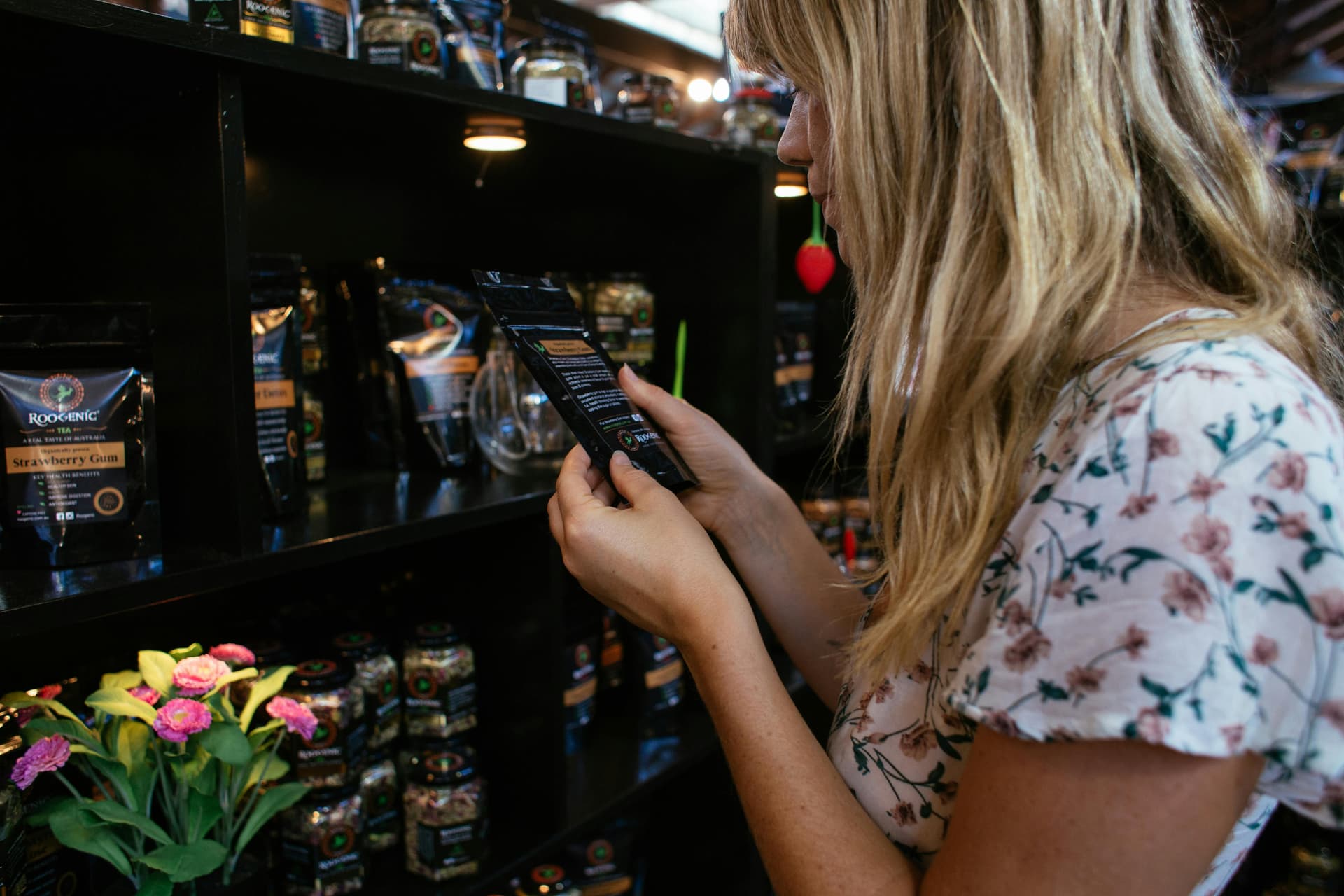
Reading food labels carefully can reveal hidden ingredients and help you make informed choices for your family
Start comparing processed foods to their homemade equivalents and the ingredient lists tell you everything. What takes 5-8 ingredients to make at home somehow needs 20-30 in a factory. The difference isn't about making better food—it's about shelf life, cost-cutting with cheap fillers, and texture manipulation.
Understanding food labels isn't about never eating packaged food. It's about knowing which ingredients are genuinely concerning, what vague terms like "flavours" actually hide, and how to quickly spot when a product has been heavily processed with synthetic additives. This guide covers what's in your food and how Australian labelling works—including the loopholes companies use.
How Australian Food Labelling Works (and Doesn't)
Food Standards Australia New Zealand (FSANZ) regulates food labelling in Australia. Here's what's worth knowing: while there are rules, there are also significant gaps that allow manufacturers to be less than transparent.
What must be listed:
Most food additives must be listed by their class name followed by either the additive name or number. For example, you'll see "Colour (102)" or "Preservative (sodium benzoate)". Companies can choose which format to use—name or number—which can make it harder to track what you're actually avoiding across different brands.
The loopholes:
- "Flavours" or "Natural Flavours" can hide dozens of individual ingredients under one term
- Ingredients making up less than 5% of a compound ingredient don't need to be listed
- Processing aids used during manufacturing don't need to be declared
- Enzymes used in food production generally don't require listing
- "Vegetable oil" can mean any oil without specifying which
- Multiple types of sugar can be listed separately to avoid sugar appearing as the first ingredient
These gaps mean that what you see on a label isn't necessarily everything that's in the product.
The Reality Check: Real Food vs. Processed
The ingredient count tells you a lot. Homemade versions of most foods use 5-10 recognizable ingredients. The packaged equivalent? Often triple that—modified starches, multiple preservatives, colours, flavours, emulsifiers, different forms of sugar listed separately.
Why does processed food need three times more ingredients than making it from scratch? Shelf life, cost-cutting, and texture manipulation. Real ingredients get replaced with cheaper alternatives that need additional chemicals to approximate the original taste and texture.
The Synthetic Shift: When "Natural" Ingredients Aren't Anymore
Here's something that surprised me when I learned it: many ingredients we assume come from natural sources are now synthetically manufactured. This isn't necessarily listed on labels, and most people have no idea.
Citric Acid (330) - The Black Mold Production
What it is: Citric acid shows up in countless products—soft drinks, lollies, tinned fruits, jams, even some "healthy" snacks. The name suggests it comes from citrus fruits like lemons or limes.
The reality: Almost all commercial citric acid is now produced through fermentation using the black mold Aspergillus niger. This fungus is fed glucose (often from corn) in industrial tanks, and it produces citric acid as a byproduct.
Why it matters: While FSANZ considers it safe, the manufacturing process involves genetic modification of the mold in some cases, and the final product can contain trace amounts of mold metabolites. Some people report sensitivity to synthetically produced citric acid that they don't experience with naturally derived citrus.
Can you avoid it? It's everywhere in processed foods. Your best bet is choosing fresh foods or products specifically stating "naturally derived citric acid from citrus."
Ascorbic Acid (Vitamin C) - Not from Oranges
What it is: Ascorbic acid is listed as Vitamin C on labels and used as both a preservative and a "fortification" in countless products—fruit juices, breakfast cereals, tinned fruits, preserved meats.
The reality: Commercial ascorbic acid is synthetically manufactured, typically from genetically modified corn through a complex chemical process. It's chemically identical to natural vitamin C but lacks the co-factors and bioflavonoids present in whole food sources.
Why it matters: While your body recognizes it as vitamin C, synthetic ascorbic acid doesn't provide the same benefits as vitamin C from whole foods. It's also used in such high quantities as a preservative that some products contain far more than you'd ever get from eating actual fruit.
Can you avoid it? Difficult, as it's in most preserved and packaged foods. Look for products without added vitamin C, or get your vitamin C from actual fruits and vegetables.
Vegetable Oils: The Biggest Deception on Labels
This is one of the most important things to understand about food labels, and it's something that caught me completely off guard when I learned about it.
What "vegetable oil" actually means:
When you see "vegetable oil" on a label, it tells you essentially nothing. It could be any combination of: canola oil, soybean oil, sunflower oil, safflower oil, cottonseed oil, corn oil, or palm oil. Manufacturers can use whichever is cheapest at the time without changing the label.
Here's the reality:
These aren't oils from vegetables—they're oils from seeds and grains. Think about it: what vegetable actually produces oil? You can press olives, avocados, or coconuts and get oil. But corn? Soybeans? Cottonseed? These require intensive industrial processing involving chemical solvents (usually hexane), high heat, deodorization, and bleaching to produce oil.
The processing problem:
Unlike cold-pressed olive oil, seed oils go through:
- Chemical solvent extraction (hexane, a petroleum derivative)
- Degumming with caustic soda
- Bleaching with activated clays
- Deodorization at extreme temperatures (which creates trans fats)
- Often partial hydrogenation (creating more trans fats)
The end product is highly refined, oxidized, and inflammatory—bearing no resemblance to the seed it came from.
The GMO issue:
Most canola, soy, corn, and cottonseed oils in Australia come from genetically modified crops. Unless the label specifically says "non-GMO" or "organic," assume it's GMO.
Why it matters for your health:
Seed oils are high in omega-6 fatty acids. While we need some omega-6, the modern diet provides a ratio of about 20:1 (omega-6 to omega-3) when optimal is closer to 4:1. This imbalance drives inflammation throughout the body—linked to heart disease, autoimmune conditions, metabolic syndrome, and more.
Oxidized and rancid oils (which seed oils often are due to processing and heating) create free radicals in your body, damaging cells and contributing to aging and disease.
What to look for instead:
- Specific oils listed: "olive oil," "coconut oil," "avocado oil"
- Cold-pressed or extra virgin when possible
- Organic (to avoid GMOs and pesticides)
- Products that use butter, ghee, or animal fats instead
Where vegetable oils hide:
- Most packaged baked goods (biscuits, cakes, crackers)
- Margarine and vegetable spreads
- Salad dressings and mayonnaise
- Fried foods and chips
- Many "health foods" and protein bars
- Pre-made meals and frozen foods
This is one ingredient I prioritize avoiding. The prevalence of seed oils in the modern diet is a significant contributor to chronic inflammation and disease.
Decoding "Flavours" and "Natural Flavours"
This is where labelling gets deliberately vague. In Australia, manufacturers can hide a multitude of ingredients under these umbrella terms.
What "Flavours" or "Natural Flavours" actually means:
This single word can represent 50-100 different chemical compounds. These can include:
- Solvents and preservatives for the flavouring compounds
- Emulsifiers to help the flavours blend
- Flavour enhancers (sometimes including MSG or glutamates not listed separately)
- Synthetic chemicals designed to mimic natural tastes
- Actual food-derived extracts (but highly processed)
The "Natural" deception:
"Natural flavours" sounds healthy, but FSANZ's definition is broad. A flavour can be called "natural" if it's derived from a plant or animal source—even if that source is processed beyond recognition using chemical solvents, heated to extreme temperatures, and mixed with synthetic carriers.
For example, "natural strawberry flavour" rarely comes from strawberries. It might come from a bacteria culture that produces strawberry-like compounds, or from chemical extraction of compounds from other plants entirely.
Why it matters:
You have no way of knowing if you're sensitive to any of the hidden ingredients. People with MSG sensitivity often react to products listing only "natural flavours" because glutamates can hide under that term. Those avoiding certain allergens might unknowingly consume them.
What to look for instead:
Products that list specific spices and ingredients: "cinnamon, vanilla extract, lemon oil" rather than "natural flavours."
The "Natural" Label: A Meaningless Marketing Term
Here's something that frustrated me when I learned it: in Australia, the term "natural" on food packaging is essentially unregulated and meaningless.
What FSANZ says:
There's no legal definition of "natural" for food products in Australia. Companies can use this term on virtually anything without meeting specific criteria. A product can be called "natural" even if it contains synthetic additives, GMO ingredients, or heavily processed components.
Marketing tricks:
- "Made with natural ingredients" - might be 99% synthetic with 1% natural
- "Natural flavours" - as we discussed, often completely synthetic
- "All natural" - means absolutely nothing, no standards
- "Naturally sweetened" - could still be high fructose corn syrup (which technically comes from corn)
What actually means something:
- "Organic" (with ACO or NASAA certification) - This has legal standards
- "Australian Certified Organic" - Regulated and verified
- Specific claims like "no artificial colours" or "no added preservatives" - These can be verified
The bottom line: Ignore "natural" on the front of packages. Read the ingredient list on the back. That's where truth lives.
Sugar: Hidden Under Dozens of Names
Food manufacturers have mastered the art of hiding sugar by using multiple types and names. This keeps any single sugar from appearing as the first ingredient (which must be listed in descending order by weight).
Common sugar aliases you'll see:
- Glucose, glucose syrup
- Dextrose
- Maltodextrin
- Rice malt syrup, rice syrup
- Malt extract, barley malt
- Corn syrup
- High fructose corn syrup (HFCS) - As of 2025, High Fructose Corn Syr is officially banned from use in food manufactured in Australia. If you spot it on a supermarket product, it’s either imported, or very old stock.
- Fructose, fruit juice concentrate
- Agave nectar/syrup
- Molasses, treacle
- Maltose, sucrose, lactose (anything ending in -ose)
- Cane sugar, raw sugar, brown sugar
- Caramel
- Invert sugar
Why it matters:
A product might list "whole grain flour" as the first ingredient, but if the next five ingredients are various types of sugar, you're essentially eating a sugar product with some grain in it. Total sugar content can be 40-50% of the product.
The health impact:
Excessive sugar consumption is linked to obesity, type 2 diabetes, heart disease, fatty liver disease, inflammation, and accelerated aging. The average Australian consumes about 60 grams of added sugar daily—roughly 14 teaspoons—when the WHO recommends less than 25 grams.
How to spot it:
Add up all the sugar-type ingredients in the list. If you see 3-4 different types, the product is sugar-heavy regardless of what the marketing says. Check the nutrition panel for "total sugars"—anything over 15g per 100g is high in sugar.
Artificial Sweeteners: The "Sugar-Free" Problem
When products are labelled "sugar-free," "no added sugar," or "diet," they often contain artificial sweeteners instead. These come with their own set of concerns.
Common artificial sweeteners in Australia:
Aspartame (951)
- Found in: Diet soft drinks, sugar-free gum, "lite" yogurts, protein powders
- Concerns: Breaks down into methanol and formaldehyde in the body. Linked to headaches, dizziness, mood changes. In July 2023, the WHO's International Agency for Research on Cancer (IARC) classified aspartame as "possibly carcinogenic to humans" (Group 2B) based on limited evidence for liver cancer (hepatocellular carcinoma). While FSANZ maintains current acceptable daily intake levels, the classification raises concerns.
- My take: I avoid it completely.
Sucralose (955)
- Found in: "Zero sugar" products, protein bars, diet foods
- Concerns: Chlorinated sugar compound. Breaks down at high temperatures producing carcinogenic compounds. May negatively affect gut bacteria. Some studies show it can spike blood sugar despite having no calories.
- Worth noting: Often marketed as "made from sugar" to sound natural.
Acesulfame K/Acesulfame Potassium (950)
- Found in: Diet drinks, sugar-free desserts, chewing gum
- Concerns: Contains methylene chloride, a known carcinogen. Limited long-term safety studies. Often used in combination with other sweeteners.
Saccharin (954)
- Found in: Table-top sweeteners, some diet foods
- Concerns: One of the oldest artificial sweeteners, linked to bladder cancer in animal studies (though later cleared for human use). Metallic aftertaste.
Why I avoid them:
Despite being approved by FSANZ, these are synthetic chemicals foreign to human biology. Long-term studies are limited, and emerging research continues to raise questions about gut health, metabolic effects, and potential carcinogenic properties. The gut microbiome disruption alone is enough reason for me to skip them.
Better alternatives:
If you need sweetness, small amounts of raw honey, pure maple syrup, or simply eating less sweet foods overall. Stevia (a plant-based sweetener) is better than artificial options, though I still use it sparingly.
Synthetic Fortification: Vitamins That Aren't from Food
You'll often see labels boasting "fortified with vitamins and minerals" or "enriched." This sounds healthy, but here's what it actually means:
What fortification involves:
Synthetic vitamins and minerals are added to processed foods. These aren't extracted from whole foods—they're manufactured in laboratories, often from petroleum derivatives or through chemical synthesis.
Common fortified items:
- Breakfast cereals (fortified with synthetic B vitamins, iron)
- White flour products (legally required to be "enriched" with synthetic thiamin, folic acid)
- Plant milks (fortified with synthetic calcium, vitamin D)
- Margarine (fortified with synthetic vitamins A and D)
- "Health" drinks and bars
Why it's concerning:
Synthetic vs. whole food nutrients:
Synthetic vitamins are isolated compounds, while nutrients in whole foods come with cofactors, enzymes, and other compounds that aid absorption and utilization. Your body doesn't recognize or use synthetic versions the same way.
For example, synthetic folic acid (used in fortification) is not the same as natural folate found in leafy greens. Many people can't properly convert synthetic folic acid to the active form their body needs, leading to unmetabolized folic acid accumulating in the bloodstream—which has been linked to health concerns.
The petroleum connection:
Many synthetic vitamins are derived from petroleum products:
- Vitamin A (retinyl palmitate) - often synthesized from petroleum
- Vitamin D2 - produced by irradiating petroleum-derived materials
- Vitamin B12 (cyanocobalamin) - contains cyanide molecule
- Vitamin E (dl-alpha tocopherol) - synthetic form from petroleum
Iron overload:
Fortified cereals often contain excessive iron (as ferrous sulfate), which can lead to iron overload in people who don't need extra iron. Excess iron is oxidative and inflammatory.
The marketing deception:
Companies strip real nutrients out during processing (like removing the nutrient-rich wheat germ from flour), then add back a handful of synthetic vitamins and market the product as "enriched" or "fortified." You're getting an inferior, processed product dressed up as nutritious.
What to choose instead:
Whole foods naturally rich in nutrients. If you're eating real food—vegetables, fruits, quality proteins, whole grains—you don't need fortified products.
Titanium Dioxide (171): The Whitening Agent Banned in the EU
This one particularly concerns me because it's in so many products marketed to children, and it's banned in Europe but still permitted in Australia.
What it is:
Titanium dioxide is a white pigment used to make foods look whiter and brighter. It's the same compound used in white paint and sunscreen.
Where it hides:
- Lollies (especially white-coated or brightly colored ones)
- Cake decorating products and icing
- White sauces and dressings
- Chewing gum
- Vitamins and medications (as a coating)
- "White" foods like marshmallows, white chocolate
Why it's concerning:
In 2021, the European Food Safety Authority concluded that titanium dioxide can no longer be considered safe as a food additive due to concerns about:
- Nanoparticles that can cross cell membranes and accumulate in organs
- Potential DNA damage and chromosomal effects
- Inflammatory and immunotoxic effects
- Possible carcinogenic properties
The EU banned it in food in 2022. France banned it even earlier, in 2020.
Australia's position:
FSANZ reviewed the European decision in 2022 and decided NOT to ban titanium dioxide, concluding that current evidence doesn't warrant removal from the permitted additives list. They maintain it's safe at current use levels as per the Australian Food Standards Code.
My position:
When Europe bans something due to DNA damage and cancer concerns, I don't need to wait for Australia to catch up. I avoid products with 171 or titanium dioxide.
How to avoid it:
Read labels carefully, especially on lollies, icing, and white-colored processed foods. Choose products without it—many brands have already reformulated for European markets.
Silicon Dioxide (551): The Nanoparticle Concern
What it is:
Silicon dioxide is an anti-caking agent used to keep powdered or granulated foods from clumping. It's essentially very finely ground sand or quartz.
Where it's found:
- Powdered drink mixes and soup bases
- Spice blends and dried seasonings
- Coffee creamers and powdered milk
- Supplements and protein powders
- Salt and sugar (sometimes)
- Baking mixes
Why it's concerning:
The issue isn't silicon dioxide itself (we consume small amounts naturally in foods), but the nanoparticle form used in processed foods. Nanoparticles are so small they can:
- Cross the intestinal barrier
- Enter the bloodstream
- Accumulate in organs
- Potentially cause inflammatory responses
Research on long-term exposure to food-grade nanoparticles is limited. Some studies suggest potential impacts on gut health and the immune system.
What to look for:
While it's difficult to avoid completely in supplements and some foods, choosing fresh foods and minimizing processed products naturally reduces exposure. When buying spices, look for brands that don't use anti-caking agents.
Glyphosate: The Hidden Pesticide Not Listed on Labels
This deserves mention because it's in so many foods, yet you'll never see it on an ingredient list.
What it is:
Glyphosate is the active ingredient in Roundup, the world's most widely used herbicide. It's sprayed on crops both to kill weeds and, controversially, as a pre-harvest desiccant (to dry out crops for easier harvesting).
Where it's found:
Testing has detected glyphosate residues in:
- Non-organic wheat, oats, barley, and other grains
- Legumes (chickpeas, lentils)
- Breakfast cereals and oat products
- Bread and baked goods
- Beer and wine
- Some fruits and vegetables
Why it matters:
The WHO's International Agency for Research on Cancer classified glyphosate as "probably carcinogenic to humans" in 2015. Research also links it to:
- Gut microbiome disruption
- Endocrine disruption
- Liver and kidney damage
- Potential links to non-Hodgkin lymphoma
In 2023, Australian courts heard testimonies about the cancer risks of glyphosate-containing weedkillers.
Australia's position:
The APVMA maintains that glyphosate is safe when used according to label directions. Maximum residue limits (MRLs) are set for various crops.
The pre-harvest desiccation issue:
Some crops (particularly wheat, oats, and pulses) are sprayed with glyphosate shortly before harvest to dry them out. This means residues are highest right when you're about to eat them, and washing doesn't remove systemic herbicide absorbed into the plant.
How to avoid it:
- Buy organic grains, cereals, bread, and oats
- Choose organic or verified glyphosate-free products
- Wash produce thoroughly (helps with surface residues but not systemic exposure)
This is one reason I prioritize organic for staples like oats, bread flour, and legumes—foods my family eats daily.
The Numbers Game: Understanding Food Additive Codes
Australian labels use a numbering system for additives. Here are the most concerning categories:
100s - Colours:
- 102 (Tartrazine) - Yellow dye linked to hyperactivity in children, asthma, skin reactions
- 110 (Sunset Yellow) - Synthetic yellow, banned in some countries
- 122 (Carmoisine) - Red dye associated with hyperactivity
- 124 (Ponceau 4R) - Banned in the US
- 129 (Allura Red) - Synthetic red, concerns about hyperactivity
Most synthetic colours are petroleum-derived and linked to behavioral issues in children and allergic reactions.
200s - Preservatives:
- 210-213 (Benzoates) - Can form benzene (carcinogen) when combined with vitamin C in acidic conditions
- 220-228 (Sulphites) - Reactions in asthmatics, headaches, digestive issues
- 249-252 (Nitrites/Nitrates) - Used in processed meats, form carcinogenic nitrosamines
300s - Antioxidants:
- 310-312 (Gallates) - Synthetic antioxidants, potential hormone disruptors
- 319-320 (BHA and BHT) - Synthetic preservatives, possible carcinogens, banned in some countries
- 330 (Citric Acid) - Made from black mold (as discussed)
600s - Flavour Enhancers:
- 621 (MSG) - Can trigger headaches and reactions in sensitive individuals
- 627, 631, 635 - Similar compounds that may cause reactions
The 30-Second Label Check
Here's my practical method for quickly evaluating packaged food:
Step 1: Count the ingredients
- Under 5 ingredients: Likely minimally processed
- 5-10 ingredients: Moderate processing
- 10-20 ingredients: Heavily processed
- 20+ ingredients: Industrial food product
Step 2: Look for the red flags
- "Vegetable oil" or "seed oil" (unspecified)
- "Flavours" or "Natural Flavours"
- Multiple types of sugar with different names
- Multiple numbers (especially colours, preservatives, flavour enhancers)
- "Modified" anything
- Artificial sweeteners (951, 950, 955, 954)
- Titanium dioxide (171)
Step 3: Compare to reality
Could you make this at home? If the packaged version has triple the ingredients, ask why.
Making Practical Choices
I'm not suggesting you make everything from scratch or never eat packaged food. I still buy some packaged items—I just choose more carefully. Here's my approach:
Prioritize what you eat most often:
If you eat bread daily, finding real bread (or making sourdough) makes more impact than worrying about occasional treats.
Read labels on staples:
Check pasta sauces, cereals, yogurt, condiments, and other items you buy regularly. Often you can find versions with clean ingredient lists for similar prices.
Watch out for "health food" tricks:
Just because something is labeled "organic," "natural," or "healthy" doesn't mean it has a clean ingredient list. Organic junk food is still junk food.
Question complexity:
If a product has twice as many ingredients as the homemade version, ask why. The answer is usually shelf life and cost-cutting.
Avoid seed oils:
This is my personal priority. I check every packaged item for "vegetable oil" and choose alternatives.
Where to Find Cleaner Options in Australia
Better supermarket brands:
Some mainstream brands keep ingredients simple. Scan premium or organic sections—sometimes price differences are minimal.
Independent health food stores:
Staff often know products well and can guide you to cleaner options.
Local markets and bakeries:
Real sourdough from bakeries (organic preferred), fresh produce from farmers markets (spray free/organic), local butchers making sausages without additives.
Online options:
The Source Bulk Foods, Honest to Goodness, various health retailers stock products with cleaner ingredients.
My Approach
I focus on minimizing processed foods where I can, but I'm realistic. I make my own sourdough bread because I enjoy it and the ingredient list is just flour, water, salt, olive oil, starter and time. I buy organic pasta sauces with simple ingredients. I check labels on everything and avoid seed oils, artificial sweeteners, synthetic colours, and titanium dioxide.
The goal is awareness. Every time you choose a product with fewer ingredients over one with a long list, you're reducing exposure to synthetic additives, mystery "flavours," hidden sugars, and industrial seed oils.
Understanding labels means making informed choices rather than trusting marketing. That's what matters.
Getting Started
Start with one category your family eats regularly. Maybe it's bread, yogurt, or pasta sauce. Next time you shop, read labels of different brands. Compare ingredient lists. You'll often find one brand uses eight ingredients while another uses twenty—for the same product.
Choose the simpler option. Then move to another category. Gradually, reading labels becomes second nature, and you'll develop an eye for spotting heavily processed products.
Which packaged food does your family go through fastest? That might be a good place to start comparing labels and finding a cleaner alternative.
References
- Food Standards Australia New Zealand (FSANZ). (2025). "Food Labelling Standards." FSANZ.gov.au. Accessed January 2025.
- Food Standards Australia New Zealand (FSANZ). (2025). "Australia New Zealand Food Standards Code." FSANZ.gov.au.
- NSW Food Authority. (2025). "Labelling laws." NSW Food Authority. August 31, 2025.
- Food Standards Australia New Zealand (FSANZ). (2024). "Allergen labelling for food businesses." FSANZ.gov.au. February 25, 2024.
- European Food Safety Authority (EFSA). 2021. Safety assessment of titanium dioxide (E171) as a food additive. EFSA Journal, 19(5):6585.
- Food Standards Australia New Zealand (FSANZ). (2022). "Titanium Dioxide as a Food Additive: Assessment Report." FSANZ.gov.au.
- European Food Safety Authority (EFSA). (2021). "Titanium dioxide: E171 no longer considered safe when used as a food additive." EFSA Press Release, May 6, 2021.
- World Health Organization (WHO). (2023). "Aspartame hazard and risk assessment results released." WHO News, July 14, 2023.
- International Agency for Research on Cancer (IARC). (2023). "Summary of findings of the evaluation of aspartame." IARC Monographs Programme, July 2023.
- Australian Pesticides and Veterinary Medicines Authority (APVMA). (2024). "Glyphosate." APVMA.gov.au.
- Food Standards Australia New Zealand. (2024). "Food Standards Code - Consolidated PDF." FSANZ.gov.au.
- Food Standards Australia New Zealand (FSANZ). 2025. Australia New Zealand Food Standards Code – Compilation (June 2025). FSANZ, Canberra.
- Food Standards Australia New Zealand (FSANZ). 2025. Food labelling and ingredient standards. FSANZ, Canberra.